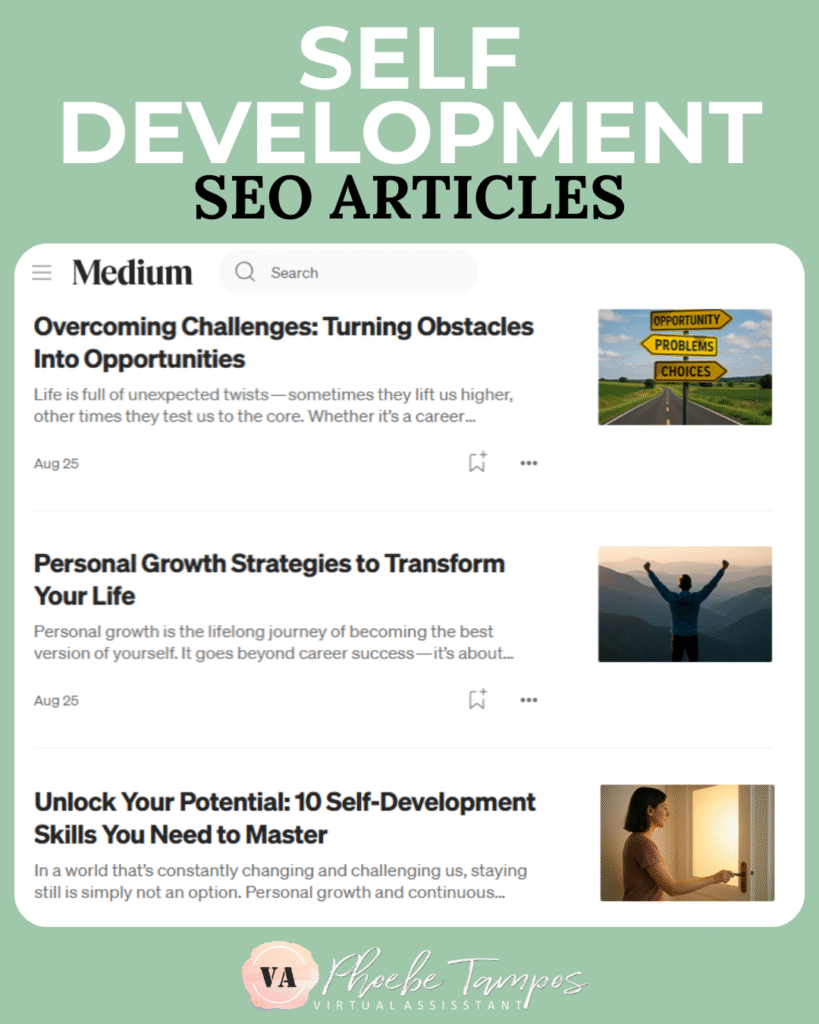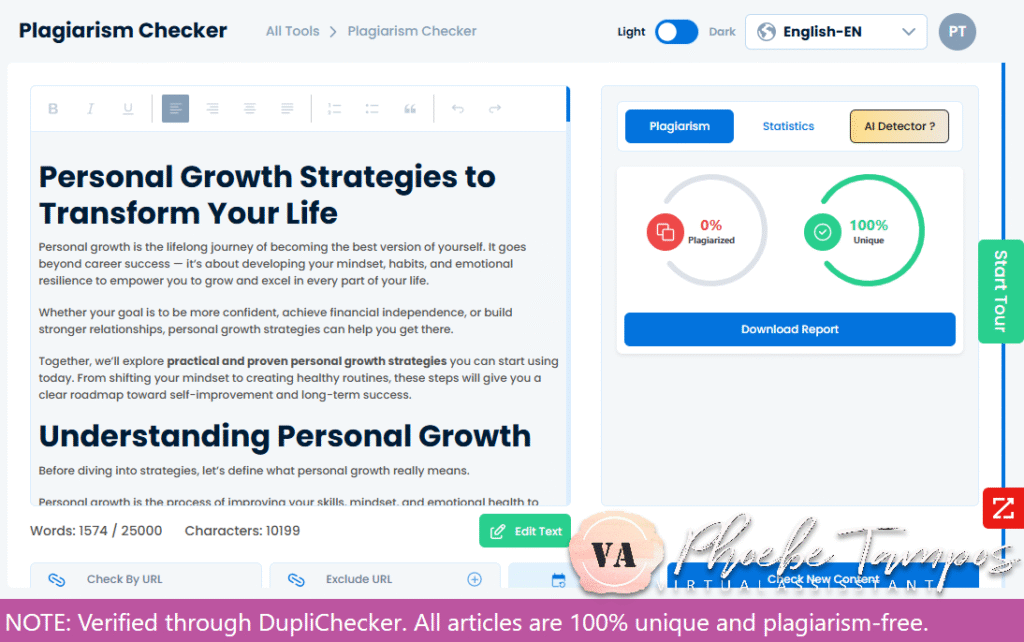
Personal growth is the lifelong journey of becoming the best version of yourself. It goes beyond career success—it’s about developing your mindset, habits, and emotional resilience so you can thrive in every area of life. Whether your goal is to be more confident, achieve financial independence, or build stronger relationships, personal growth strategies can help you get there.
Together, we’ll explore practical and proven personal growth strategies you can start using today. From shifting your mindset to creating healthy routines, these steps will give you a clear roadmap toward self-improvement and long-term success.
Understanding Personal Growth
Before diving into strategies, let’s define what personal growth really means.
Personal growth is the process of improving your skills, mindset, and emotional health to live a more meaningful life. It’s not about perfection—it’s about progress. Key areas include:
Emotional Growth – learning to manage stress, regulate emotions, and build stronger connections.
Mental Growth – sharpening your problem-solving, creativity, and focus.
Physical Growth – improving health, energy, and overall well-being.
Professional Growth – acquiring skills to succeed in your career or business.
Spiritual Growth – finding purpose, balance, or deeper meaning in life.
When you invest in these areas, you experience benefits such as improved confidence, higher productivity, and better relationships.
Building a Growth Mindset
One of the most powerful personal growth strategies is adopting a growth mindset—a belief that abilities can be developed through effort, practice, and learning.
Fixed mindset says: “I’m not good at this, so I’ll never succeed.”
Growth mindset says: “I’m not good at this yet, but with effort, I can improve.”
How to Develop a Growth Mindset
Embrace challenges – See problems as opportunities to learn, not threats.
Learn from feedback – Instead of feeling criticized, use feedback as a tool to grow.
Be persistent – Growth takes time; stay consistent even when progress feels slow.
Example: Michael Jordan, often considered the greatest basketball player of all time, didn’t make his high school varsity team at first. Instead of quitting, he trained harder—turning failure into fuel for growth.
Setting Clear and Achievable Goals
Without clear goals, personal growth lacks direction. Goals provide focus and motivation. They act as a compass, helping you prioritize what truly matters. Clear goals also break down overwhelming ambitions into manageable steps, making progress less intimidating. Most importantly, goals remind you why you started in the first place, keeping you motivated during challenging times.
Use the SMART Framework
Specific – Define exactly what you want to achieve.
Measurable – Track your progress with clear metrics.
Achievable – Set realistic goals you can reach.
Relevant – Align your goals with your long-term vision.
Time-bound – Give yourself a deadline.
Short-Term vs. Long-Term Goals
Short-term goals keep you motivated with quick wins. Example: Read 10 pages of a self-help book daily.
Long-term goals give you purpose. Example: Become a certified digital marketer within 2 years.
Pro tip: Break large goals into smaller milestones so you don’t feel overwhelmed.
Developing Self-Awareness
Self-awareness is the foundation of personal growth. You can’t improve what you don’t understand. When you truly know yourself, you gain the clarity needed to make intentional and lasting changes.
How to Build Self-Awareness
Journaling – Write down thoughts, successes, and struggles to identify patterns.
Mindfulness – Practice meditation or simply stay present in daily tasks.
Feedback – Ask trusted friends or mentors for honest input.
Action step: Spend 10 minutes at the end of each day reflecting on what went well and what could be improved. Over time, this habit builds deep self-awareness.
Building Positive Habits and Routines
Your habits shape your life more than motivation does. Small, consistent actions compound into massive results. Even the tiniest routines, when repeated daily, create momentum that leads to lasting transformation. Over time, these habits become part of your identity, making growth feel natural rather than forced.
Habits That Accelerate Growth
Morning routines – Start your day with reading, journaling, or exercise.
Physical health – Regular exercise, a balanced diet, and proper sleep.
Gratitude practice – Writing 3 things you’re grateful for daily.
Techniques to Build Habits
Habit stacking – Attach a new habit to an existing one (e.g., meditate right after brushing teeth).
Tracking – Use a habit tracker app or notebook to monitor progress.
Remember: Consistency beats intensity. Ten minutes a day is better than three hours once a month.
Overcoming Limiting Beliefs
Doubting your abilities, questioning your worth, or convincing yourself that success is only for others are common mental barriers that stop growth before it even begins. These inner voices create invisible walls, keeping you stuck in your comfort zone and afraid to take risks. Left unchecked, they slowly shape how you see yourself and what you believe you’re capable of achieving. Many people hold themselves back with negative self-talk, like:
“I’m not smart enough.”
“I’ll never be successful.”
“People like me don’t achieve great things.”
Strategies to Break Free
Identify beliefs – Notice recurring negative thoughts.
Challenge them – Ask: “Is this really true?”
Replace with empowering beliefs – Instead of “I can’t do this,” say “I’m learning how to do this.”
Example: Oprah Winfrey grew up in poverty and was told she wasn’t “fit for TV.” By rejecting that limiting belief, she became one of the most influential women in the world.
Continuous Learning and Skill Development
Personal growth requires constant learning. The world is evolving, and so should you. By staying curious and open-minded, you ensure that your skills and mindset never become outdated.
Ways to Keep Learning
Books – Dedicate 20 minutes a day to reading personal development or industry books.
Online courses – Platforms like Coursera, Udemy, and Skillshare make learning affordable.
Mentorship – Learn directly from people ahead of you in your field.
Podcasts & YouTube – Great for learning while commuting or doing chores.
Action step: Pick one new skill to learn this month. Even small progress compounds over time.
Building Resilience and Emotional Intelligence
Growth isn’t about avoiding failure—it’s about learning how to bounce back. Every setback is a stepping stone that builds resilience and strengthens your ability to handle future challenges.
How to Build Resilience
Shift perspective – See failures as lessons, not endings.
Manage stress – Practice breathing techniques, meditation, or exercise.
Practice self-compassion – Treat yourself with the same kindness you’d offer a friend.
Emotional Intelligence (EQ) Skills
Self-awareness – Recognizing your emotions.
Self-regulation – Managing reactions calmly.
Empathy – Understanding others’ feelings.
Communication – Expressing thoughts clearly and respectfully.
Strong EQ improves relationships, leadership skills, and career success.
Surrounding Yourself with Growth-Oriented People
“You are the average of the five people you spend the most time with.” – Jim Rohn
The people around you can either lift you or hold you back.
How to Build a Growth Network
Join communities – Attend workshops, online forums, or mastermind groups.
Find mentors – Learn from those ahead of you.
Cut negativity – Limit time with people who drain your energy or discourage your dreams.
Example: Many successful entrepreneurs credit their growth to surrounding themselves with other ambitious individuals.
Tracking Progress and Celebrating Wins
Growth requires measuring progress. Without tracking, you won’t know what’s working. Regular reflection ensures you can adjust your strategies and keep moving forward effectively.
Tools to Track Growth
Journals – Reflect weekly or monthly.
Apps – Use productivity apps like Notion, Trello, or Habitica.
Accountability partner – Share goals with someone who checks in on your progress.
Don’t forget to celebrate small wins. Rewarding yourself keeps motivation high.
Conclusion
Personal growth is not a one-time project—it’s a lifelong journey. By building a growth mindset, setting clear goals, developing self-awareness, and creating positive habits, you can transform your life step by step.
The key is consistency. Choose one strategy from this guide and start applying it today. Over time, those small changes will create massive results.
FAQ (for SEO)
What is the first step to personal growth?
The first step is building self-awareness—understanding your strengths, weaknesses, and values. This allows you to know where you currently stand and what areas need improvement.
How long does it take to see results from personal growth strategies?
It depends on the area of growth. Habits like journaling or gratitude can show positive effects in weeks, while mastering skills or transforming mindset can take months or even years.
Can anyone achieve personal growth?
Yes! Personal growth is universal. No matter your age, background, or education, anyone willing to learn, stay consistent, and overcome challenges can grow.
How do I stay motivated on my personal growth journey?
Motivation comes and goes, so discipline and systems matter more. Track progress, celebrate small wins, and surround yourself with supportive people who encourage growth.
What are the biggest barriers to personal growth?
The most common barriers are limiting beliefs, fear of failure, lack of consistency, and staying in comfort zones. Breaking free requires patience, persistence, and courage to take small daily steps forward.
Final Thoughts
Personal growth is about more than just achieving goals—it’s about evolving into the best version of yourself. Every small step you take compounds into lasting change. Remember, you don’t need to do everything at once. Pick one strategy, commit to it, and let consistency work its magic.
FAQ (for SEO)
What is the first step to personal growth?
The first step is building self-awareness—understanding your strengths, weaknesses, and values. This allows you to know where you currently stand and what areas need improvement.
How long does it take to see results from personal growth strategies?
It depends on the area of growth. Habits like journaling or gratitude can show positive effects in weeks, while mastering skills or transforming mindset can take months or even years.
Can anyone achieve personal growth?
Yes! Personal growth is universal. No matter your age, background, or education, anyone willing to learn, stay consistent, and overcome challenges can grow.
Your future self will thank you for the choices you make today.